Pay in installments of $5.32 with
 ,
,
 and
and

Shipping Estimate
USA
- USA
- CAN
- USA
- CAN
Ships within 48 hours · Estimated delivery Jul 16 - Jul 21
 Promo Codes Available:
For Your Every Summer RSVP, with Code: SUMMER15
Description
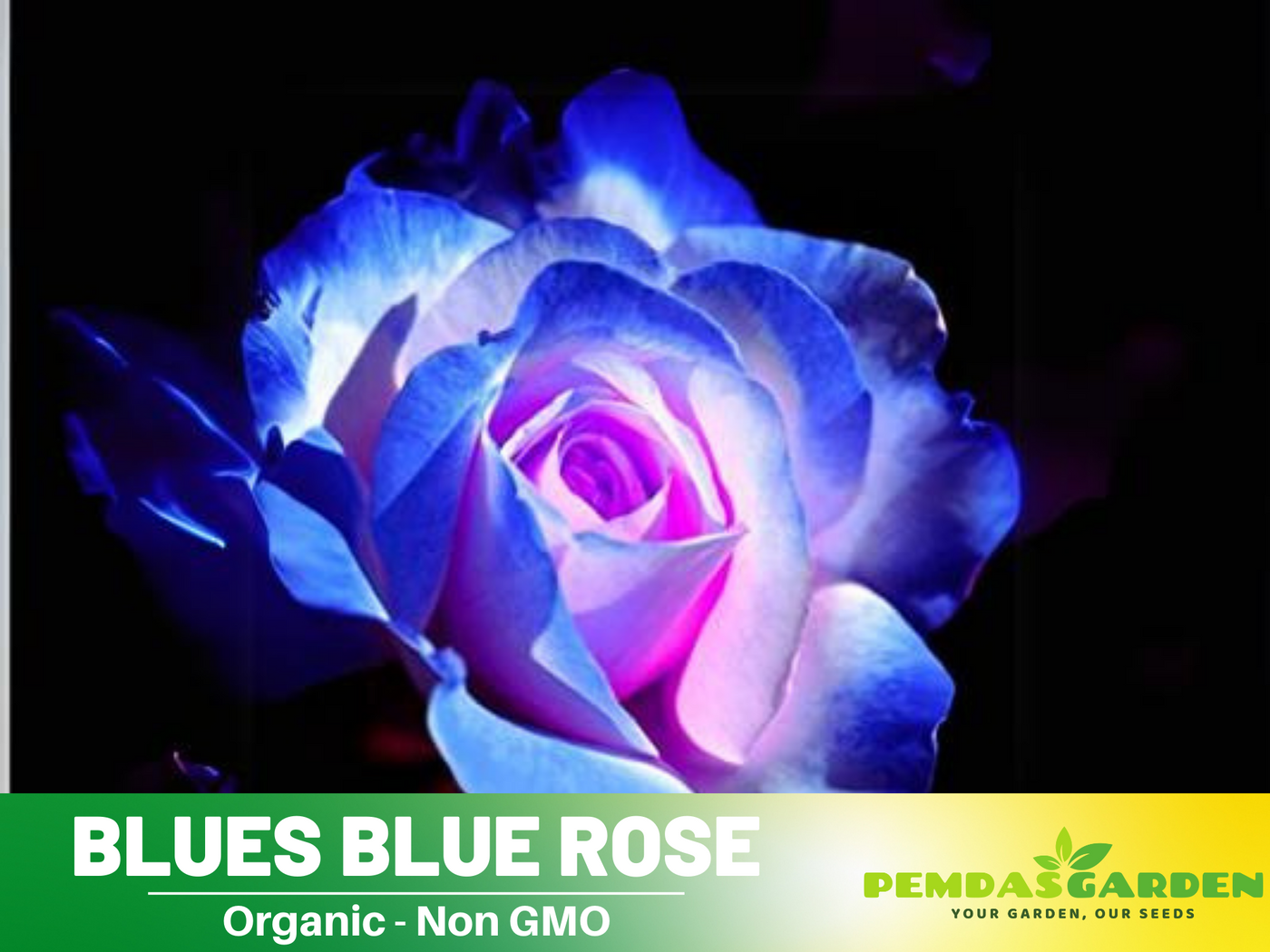
where to buy blue rose seeds Blues Blue Rose Seeds FlowerGerminating rose seeds can be a rewarding but somewhat challenging process, as rose seeds have a natural dormancy that needs to be broken before they can sprout. Here's a general guide on how to germinate rose seeds: Materials You'll Need: Rose seeds Seed tray or small pots Seed starting mix (well draining) Clear plastic wrap or a clear plastic dome Water mister sprayer Light source (natural light or grow lights) Warm, indoor location Steps: Seed
Germinating rose seeds can be a rewarding but somewhat challenging process, as rose seeds have a natural dormancy that needs to be broken before they can sprout. Here's a general guide on how to germinate rose seeds:
Materials You'll Need:
Rose seeds
Seed tray or small pots
Seed starting mix (well-draining)
Clear plastic wrap or a clear plastic dome
Water mister/sprayer
Light source (natural light or grow lights)
Warm, indoor location
Steps:
Seed Treatment: Rose seeds have a tough outer coat that needs to be scarified (scratched or slightly damaged) to allow moisture to penetrate and initiate germination. You can do this by gently rubbing the seeds with sandpaper or using a small file to create a nick on the seed coat. Be careful not to damage the inner seed.
Stratification: Rose seeds also require a period of cold stratification to break dormancy. Place the scarified seeds in a damp paper towel or in a plastic bag with some damp vermiculite or peat moss. Seal the bag or wrap it in plastic wrap and place it in the refrigerator for about 8 to 12 weeks. This imitates the natural process of the seeds experiencing winter.
Planting: After the stratification period, prepare your seed tray or small pots with well-draining seed starting mix. Plant the scarified seeds about 1/4 inch deep in the soil and cover them lightly with more soil.
Moisture and Covering: Mist the soil lightly with water to keep it evenly moist but not soggy. Cover the seed tray or pots with clear plastic wrap or a clear plastic dome to create a humid environment. This helps retain moisture and warmth, which can aid germination.
Warm Location: Place the covered seed tray or pots in a warm location with indirect light. A temperature around 70-75°F (21-24°C) is ideal for germination.
Germination: Keep an eye on the seeds for signs of germination, which may take several weeks to a few months. Once you see sprouts emerging, remove the plastic cover and continue to provide adequate moisture.
Light: As the seedlings grow, provide them with bright, indirect light. If natural light is insufficient, you can use grow lights to ensure they receive the right amount of light for healthy growth.
Transplanting: Once the seedlings have developed several sets of leaves and are sturdy enough to handle, you can transplant them into larger pots with regular potting soil.
Hardening Off and Planting Outdoors: Before transplanting your rose seedlings outdoors, they need to be acclimated to outdoor conditions through a process called "hardening off." Gradually expose them to outdoor conditions over the course of a week before planting them in their final location.
Remember, growing roses from seeds can be a bit unpredictable, and not all seeds may successfully germinate.
Shipping Notes
- Free Standard Shipping on $100+ Orders to the USA.
- Except Preorder products are shipped in 48 hours.
- Delivery to the USA:
- Standard Shipping : 3-10 business days
- If time is of the essence, please consider selecting expedited delivery for faster service.
Exchange/Return Notes
- We offer a 30-day return/exchange service after receiving.
- Final sale items are not eligible for returns or exchanges.
- To process your return/exchange, please contact us at [email protected]
- Please click here for more details>>> Return & Exchange Policy